Not medical advice — written by Ngoc Vietsmall, who is not a healthcare professional.
This article summarises publicly available medical information for general readers. It cannot account for your history, medication or symptoms, and it is not a diagnosis or a treatment plan. Any dose mentioned comes from published labelling or guidelines — only your own prescriber can decide what is right for you.
Always speak to a doctor or pharmacist before starting, stopping or changing any treatment. If symptoms are severe or getting worse, seek urgent care. Full disclaimer · How this is written
Ever looked in the mirror and wondered why your skin seems a little puffier, oddly yellow, or just off today? It might be more than just a bad nights sleepsometimes your face is whispering that your liver needs a bit of attention.
Below youll find straighttothepoint answers about what a hepatic face actually looks like, why fattyliver or other liver issues can change your complexion, and what practical steps you can take right now to figure out if its a harmless quirk or a signal to see a health professional.
What Is Hepatic Face?
Definition & Medical Terminology
Hepatic face isnt a fancy medical diagnosis youll see on a chart; its a shorthand way doctors describe a collection of facial changes that often accompany liver dysfunction. You might also hear it called fattyliver face, liverrelated facial changes, or simply liverrelated skin signs. All these terms point to the same idea: the livers health can leave a visible imprint on your face.
Why the Liver Can Affect Your Face
Your liver is the bodys chemical factory. It breaks down hormones, filters waste like bilirubin, and balances fats in the bloodstream. When its overwhelmedwhether by excess fat, alcohol, or diseasethose processes go sideways. Elevated bilirubin can give the skin a yellowish hue, hormonal imbalances can trigger puffiness or acnelike eruptions, and altered lipid profiles can make the skin look dull or blotchy. A study in the American Association for the Study of Liver Diseases notes that up to 30% of patients with advanced fatty liver notice facial changes before any abdominal symptoms appear.
Quick Visual Checklist
- Yellowing of the whites of the eyes or skin (mild jaundice)
- Puffy cheeks or a moonshaped face
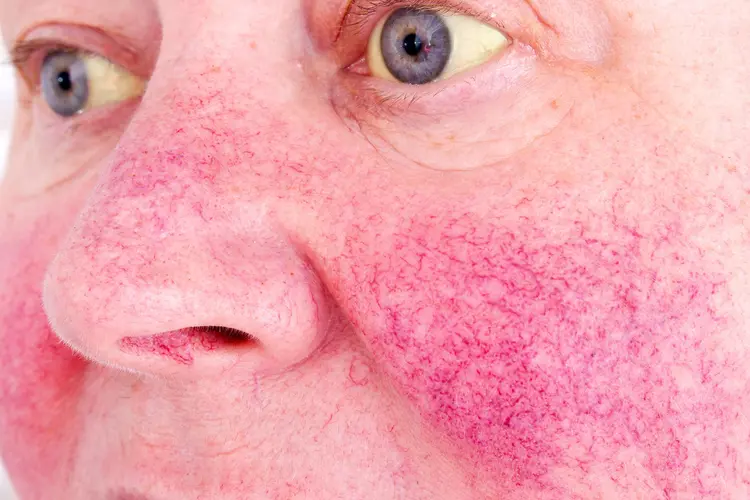
- Small red spiderlike blood vessels (spider angiomas)
- Rosacealike redness or a liveracne texture
- Uneven darkening or a grayish tinge, especially on the forehead
Fatty Liver Facial Effects
Common Skin Signs of Fatty Liver
When excess fat builds up in liver cells (a condition called nonalcoholic fatty liver disease, NAFLD), the skin often follows suit. The most frequent manifestations include:
| Symptom | Typical Appearance | How Often Reported |
|---|---|---|
| Puffiness | Fuller cheeks, slight swelling around the jawline | 25% |
| Yellowish tint | Subtle gold hue, especially on the forehead | 15% |
| Rosacealike redness | Flushed cheeks, small visible capillaries | 20% |
| Itchy skin | Dry patches, sometimes mistaken for eczema | 30% |
Fatty Liver Symptoms in Females
Women often notice facial changes sooner than men, likely because hormonal fluctuations amplify the livers impact on skin tone. Many report a darker, more pigmented complexion around the cheeks and a higher incidence of spider angiomas. If youre a woman seeing these signs alongside weight gain or fatigue, its worth getting a liver panel checked.
What Does Liver Acne Look Like?
Liverrelated acne isnt the typical teenage breakout. It tends to be deeper, redder, and may appear on the chin, jawline, or even the foreheadareas where the skin is thinner. Unlike ordinary acne, these bumps often itch and can be accompanied by a faint oily sheen. Recognizing this pattern can help you differentiate between a hormonal flareup and a liverlinked issue.
Other Liver Skin Signs
Jaundice & Yellowing
When bilirubin accumulates, the classic sign is a yellow tint to the sclera (the whites of your eyes) and sometimes the skin. It starts subtlythink golden hour lightingbut can become more pronounced if liver function continues to decline.
Spider Angiomas
These are tiny, spiderlike red webs that pop up most often on the upper chest, arms, and face. While a single angioma isnt alarming, multiple ones can hint at chronic liver stress.
Liver Disease and Skin Darkening vs. Liver Spots
Liver spots are actually agerelated hyperpigmentation and unrelated to liver health. In contrast, liverrelated darkening is usually more diffuse, affecting larger facial areas and often accompanied by a dull, grayish undertone. Understanding this distinction prevents unnecessary worry.
Comparison Table
| Condition | Typical Location | Key Difference |
|---|---|---|
| Jaundice | Eyelids, whole skin | Yellow hue, usually concurrent with fatigue |
| Spider Angioma | Face, chest, arms | Fine red webbing, often multiple |
| LiverRelated Darkening | Forehead, cheeks | Diffuse grayish tint, not isolated spots |
| Liver Spots (age spots) | Hands, forearms | Flat brown patches, unrelated to liver |
When To See Doctor
RedFlag Symptoms
If you notice any of the following, schedule a checkup promptly:
- Sudden yellowing of eyes or skin
- Rapid facial swelling that doesnt go down after a nights rest
- New spider angiomas combined with abdominal pain
- Intense, persistent itching
Typical Medical Workup
Doctors usually start with a simple blood panelALT, AST, bilirubin, and alkaline phosphataseto gauge liver function. Imaging such as an abdominal ultrasound or FibroScan can visualize fat buildup or fibrosis. If the results point to nonalcoholic steatohepatitis (NASH) or early cirrhosis, further referral to a hepatologist is standard.
Lifestyle & Medical Interventions That Can Reverse Facial Changes
Weight loss of just 510% of body weight can dramatically reduce liver fat, often softening facial puffiness within weeks. A balanced diet low in added sugars, rich in antioxidants, and moderate in healthy fats (think olive oil and fish) supports liver regeneration. In some cases, physicians may prescribe VitaminE or other agents to specifically target NASH.
Home Care Tips
Gentle Skincare Routine
When your skin is already stressed, less is more. Choose fragrancefree cleansers, avoid harsh exfoliants, and moisturize with a noncomedogenic cream. Sunscreen with SPF30+ is a mustUV exposure can worsen pigmentation caused by liver issues.
Nutrition Hacks for Liver & Skin
Foods that love your liver also love your skin. Incorporate berries, leafy greens, and cruciferous veggies like broccoli; theyre packed with antioxidants that neutralize inflammation. Omega3rich fish (salmon, sardines) help balance fats in the bloodstream. For deeper insight, check out this list of liverfriendly foods. Stay hydratedaim for at least eight glasses of water a dayto flush toxins more efficiently.
Light Exercise & Stress Relief
Regular movement boosts circulation, helping the liver process waste faster. Even a brisk 30minute walk, a short yoga flow, or a gentle stretching routine can make a difference. Stress hormones like cortisol can aggravate hormonerelated skin eruptions, so consider a few minutes of deep breathing or meditation each evening.
Balancing Benefits & Risks
Early Detection Benefits
Spotting hepatic face signs early gives you a head start. Lifestyle tweaks and medical treatment begun before serious fibrosis can often halt or even reverse damage, preserving both liver health and your confidence in the mirror.
Risks of SelfDiagnosis
While its empowering to know your body, assuming every facial blemish is liverrelated can cause unnecessary anxiety. Skin conditions like rosacea, eczema, or allergic reactions can look similar. Always pair selfobservation with professional evaluation.
Using This Knowledge Responsibly
Think of these signs as gentle nudges, not loud alarms. If you notice a pattern, schedule a blood test, talk to your primarycare doctor, and follow their guidance. Avoid selfprescribing supplements without a clinicians OKsome liverboosters can interact with medications.
Conclusion
Seeing a puffier, yellowtinged, or oddly red face can feel unsettling, but its often the bodys subtle way of flagging liver stress. Recognizing the hallmark signs of a hepatic facespider angiomas, mild jaundice, livertype acne, and facial swellinghelps you act early, protect your liver, and keep your skin looking its best. If any redflag symptoms appear, dont wait: get a liver panel, discuss a healthy lifestyle plan, and lean on trusted medical advice. Your liver works tirelessly for you; a little attention to its outward clues can make all the difference.