



Not medical advice — written by Ngoc Vietsmall, who is not a healthcare professional.
This article summarises publicly available medical information for general readers. It cannot account for your history, medication or symptoms, and it is not a diagnosis or a treatment plan. Any dose mentioned comes from published labelling or guidelines — only your own prescriber can decide what is right for you.
Always speak to a doctor or pharmacist before starting, stopping or changing any treatment. If symptoms are severe or getting worse, seek urgent care. Full disclaimer · How this is written
Ever wondered why your blood pressure reading drops the moment you flop onto the couch? Its not a glitch its your bodys natural response to gravity, and those few millimeters can actually tell you a lot about your heart health.
And if youre only checking your pressure while sitting, you might be missing a hidden clue. A quick supine (lyingdown) reading can spot early hypertension, orthostatic issues, or even tell you if your medication needs a tweak. Lets dive in and figure out what that lying down blood pressure chart really means for you.
Why Numbers Shift
What drives the change?
When you lie flat, blood rushes back to your heart because theres no longer a long column of blood pooling in your legs. That extra venous return boosts your cardiac output for a moment, and your baroreceptors (the sensors in your neck and chest) quickly adjust the resistance in your blood vessels. The result? A modest dip in both systolic and diastolic pressure.
Typical supine vs. seated differences
On average, most people see a 510mmHg drop in systolic and a 38mmHg drop in diastolic when they go from sitting to lying down. A 2023 analysis from the American Heart Association found this pattern consistent across age groups, though the exact numbers can vary with fitness level, medication, and even the time of day.
| Age Group | Average SupineSitting Systolic Drop (mmHg) | Average SupineSitting Diastolic Drop (mmHg) |
|---|---|---|
| 1830 | 69 | 47 |
| 3150 | 58 | 36 |
| 5170 | 47 | 35 |
| 71+ | 36 | 24 |
When the shift is a red flag
If your supine reading is higher than your seated one, or if the drop is unusually small, it could signal orthostatic hypertension a condition linked to higher cardiovascular risk. On the flip side, a markedly low diastolic pressure when lying down may hint at autonomic dysfunction, especially if you feel dizzy or lightheaded.
How to Measure
Stepbystep protocol
Getting a reliable supine blood pressure reading isnt rocket science, but a few simple habits make a huge difference:
- Find a firm, flat surface (a yoga mat works well).
- Rest for five minutes without talking, reading, or checking your phone.
- Place a small pillow under your head only if it helps you stay comfortable the cuff arm must stay at heart level.
- Wrap the cuff snugly around a bare upper arm, about an inch above the elbow.
- Take two readings one minute apart, then calculate the average.
Common mistakes to dodge
Talking, crossing your legs, or pulling the cuff too tight can inflate the numbers. Even a slight bend in the arm raises readings by a few points. If youre using an automatic cuff, make sure the device is validated for home use look for the AAMI/ESH/ISO stamp on the packaging.
Best device for home use
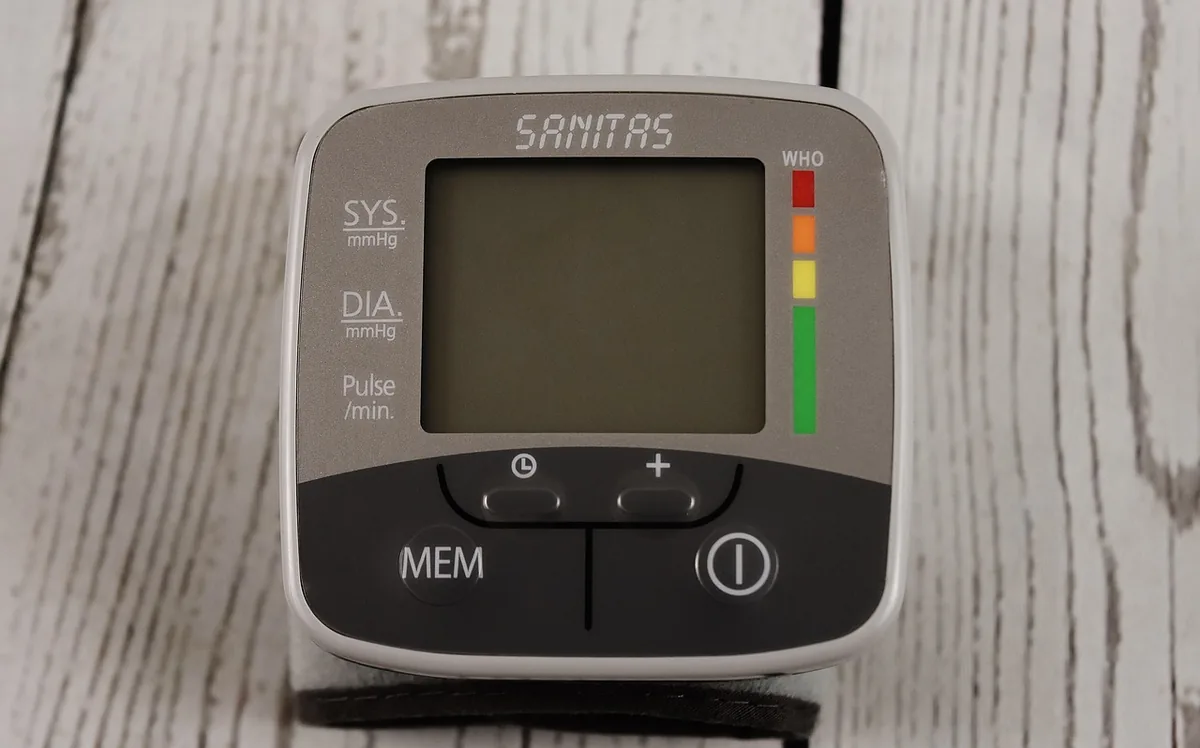
Brands like Omron and Withings have clinched top marks in independent consumertest labs for accuracy in supine positions. They store multiple readings, which is handy when you want to track trends over weeks.
Reading the Chart
Normal ranges for supine readings
Based on the NIHs extensive blood pressure database, normal supine values hover around 110120mmHg systolic and 7080mmHg diastolic for most adults. The exact normal band widens slightly with age, so a 65yearold might comfortably sit at 130/85mmHg supine.
Higher supine than seated what does it mean?
When you see a higher number lying down, it could be a sign of earlystage hypertension that only manifests when your body is relaxed. Some clinicians use this cue to start lowdose medication earlier, especially if you have other risk factors like a family history of heart disease.
Lower supine than seated what to watch for
A pronounced dip, especially in diastolic pressure, may hint at overmedication or an emerging orthostatic hypotension. If you notice dizziness upon standing, its worth chatting with your doctor and possibly adjusting the timing of your meds.
How doctors use the chart
During a routine visit, many physicians will ask you to lie down, take a reading, then sit up and stand the classic CDC orthostatic blood pressure guidelines. The pattern of changes helps them decide whether you need further testing, medication tweaks, or lifestyle counseling.
Benefits & Risks
Benefits of a supine chart
- Detects masked hypertension that only appears when youre relaxed.
- Helps finetune medication timing, especially for nighttime dosages.
- Provides a clearer picture for athletes, pregnant women, and seniors who experience postural blood pressure swings.
Potential risks
- Relying on a single reading can cause unnecessary alarm.
- Home measurements may vary if the technique isnt consistent.
- Overemphasis on numbers can distract from broader lifestyle factors like diet and stress.
Quickcheck: Is a supine chart right for you?
Ask yourself: Do you have a history of dizziness, a recent change in meds, or a doctor whos asked for orthostatic readings? If the answer is yes, a supine chart can be a gamechanger. If youre otherwise healthy and stable, occasional checks are still useful but not mandatory.
RealWorld Examples
Johns story hidden hypertension uncovered
John, 58, thought his blood pressure was fine because his office readings never exceeded 125/80mmHg. At home, he started tracking supine numbers and noticed a consistent 135/85mmHg while lying down. His doctor ordered a 24hour ambulatory monitor, which confirmed early hypertension. With a slight change in medication and lifestyle tweaks, Johns readings normalized across all positions.
Maria, a marathon runner, uses the chart for training
Maria tracks both supine and standing readings each morning. When her supine systolic nudges above 120mmHg, she knows her recovery might be lagging, so she adds an extra rest day. Over six months, she saw a steady drop in resting heart rate and a smoother training curve.
Building Your Own Chart
What youll need
- A validated automatic cuff.
- A notebook, spreadsheet, or a dedicated blood pressure app.
- A consistent time of day morning after waking is ideal.
Recording template
Set up columns for Date, Time, Supine Systolic, Supine Diastolic, Seated Systolic, Seated Diastolic, and a brief Notes section (e.g., felt a bit stressed, new medication). Heres a quick CSV example you can copy into Excel or Google Sheets:
| Date | Time | Supine SBP | Supine DBP | Seated SBP | Seated DBP | Notes |
|---|---|---|---|---|---|---|
| 20250820 | 07:15 | 118 | 76 | 124 | 81 | Woke up refreshed |
| 20250821 | 07:10 | 122 | 78 | 128 | 84 | Late coffee |
Interpreting trends
Look for patterns over at least a week. A gradual rise of 510mmHg in supine systolic could signal that your diet, stress, or medication needs a revisit. Conversely, a stable or decreasing trend is a good sign that youre on the right track.
Balancing Benefits and Cautions
Using a lying down blood pressure chart is like having a secret window into how your cardiovascular system behaves when youre at ease. It can catch hidden hypertension, guide medication timing, and help athletes finetune recovery. But its not a substitute for professional medical advice, and inconsistent technique can muddy the data.
So, the next time you grab your cuff, remember to lie flat, relax, and record those numbers. Share the chart with your doctor theyll appreciate the extra context and might even spot something you missed.
Conclusion
Supine blood pressure readings add a valuable piece to the puzzle of heart health. By understanding why the numbers shift, learning how to measure accurately, and interpreting the results with a balanced eye, you empower yourself to catch hidden risks early. Start logging your own lying down blood pressure chart this week, bring it to your next appointment, and take a proactive step toward a healthier, more informed you.








