



Not medical advice — written by Ngoc Vietsmall, who is not a healthcare professional.
This article summarises publicly available medical information for general readers. It cannot account for your history, medication or symptoms, and it is not a diagnosis or a treatment plan. Any dose mentioned comes from published labelling or guidelines — only your own prescriber can decide what is right for you.
Always speak to a doctor or pharmacist before starting, stopping or changing any treatment. If symptoms are severe or getting worse, seek urgent care. Full disclaimer · How this is written
Quick answer: the most common treatment for thyroid cancer is surgery either a total thyroidectomy (removing the whole gland) or a lobectomy/partial thyroidectomy (removing just the affected lobe). The operation gets the tumor out, gives doctors a clear picture of what theyre dealing with, and offers the highest cure rates.
Why does that matter for you? Because the choice of treatment shapes everything that comes after from the need for radioactive iodine, to hormone replacement, to the everyday decisions youll make about diet, activity, and followup visits. Lets walk through the whole picture together, so you feel confident and in control.
Why Surgery Leads
What makes surgery the goto option?
When doctors talk about thyroid cancer, the first thing they mention is surgery, and for good reason. The gland sits right in the front of the neck, making it relatively accessible. Removing the tumor directly eliminates the source of cancer cells, which is why surgery consistently shows the best longterm outcomes. According to the Mayo Clinic, the fiveyear survival rate for patients with differentiated thyroid cancers (the most common types) exceeds 95% when surgery is performed promptly.
Evidence from trusted sources
Major health organizations the NHS, the American Cancer Society, and the Mayo Clinic all place surgical removal at the top of their treatment algorithms. The consistency across these sources is a strong signal that surgery isnt just tradition; its evidencebased.
How does cancer type influence the surgical choice?
Thyroid cancer isnt a onesizefitsall condition. The most common types are papillary and follicular, both of which tend to respond well to either a total thyroidectomy or a lobectomy, depending on size and spread. Less common, more aggressive forms like medullary or anaplastic cancer often require a more extensive operation plus additional therapies.
Choosing total thyroidectomy vs. lobectomy
- Total thyroidectomy: All thyroid tissue is removed. Preferred for larger tumors, multifocal disease, or when the cancer has spread to nearby lymph nodes.
- Lobectomy (partial thyroidectomy): Only the lobe containing the tumor is removed. Ideal for small, isolated stage1 tumors where preserving thyroid function is possible.
Benefits and risks of thyroid surgery
Every medical decision has a balance sheet. Heres the quick rundown:
Benefits
- Complete removal of visible cancer cells.
- Accurate pathological staging, which guides further treatment.
- High cure rates most patients never see the cancer return.
Risks
- Temporary vocalcord weakness (usually resolves in weeks).
- Low calcium levels (hypocalcemia) if the parathyroid glands are irritated.
- Scarring modern techniques minimize this, but its still a factor.
One of my friends, Maya, shared that her voice was hoarse for a few weeks after a total thyroidectomy, but a simple speechtherapy session got her back to singing in a month. Real stories like hers remind us that risk often means a manageable bump on the road, not a deadend.
Types of Surgery
What is a total thyroidectomy?
A total thyroidectomy involves a small incision across the lower neck, careful identification of the recurrent laryngeal nerves (the ones that control vocal cords), and removal of all thyroid tissue. Surgeons often use intraoperative nerve monitoring to reduce the chance of voice problems.
When is it recommended?
- Tumors larger than 4cm.
- Multiple cancer foci in both lobes.
- Evidence of lymphnode involvement.
What is a lobectomy?
In a lobectomy, the surgeon removes only the thyroid lobe harboring the tumor, preserving the other half. This approach keeps enough thyroid tissue to often avoid lifelong hormone replacement, but only if the remaining lobe functions well.
Recovery timeline vs. total thyroidectomy
| Aspect | Lobectomy | Total Thyroidectomy |
|---|---|---|
| Hospital stay | 12 days | 13 days |
| Voice recovery | Usually within 1 week | 12 weeks, sometimes longer |
| Calcium monitoring | Rarely needed | Often required for 4872hrs |
Are there minimallyinvasive options?
Yes! Endoscopic and robotic approaches, sometimes called scarless thyroid surgery, use a small incision behind the ear or under the chin. Theyre gaining traction in highvolume centers. While the outcomes are comparable, the expertise required means theyre not available everywhere. If youre curious, ask your surgeon whether a minimallyinvasive technique fits your case.
When Surgery Isnt Possible
Can radioactive iodine replace surgery?
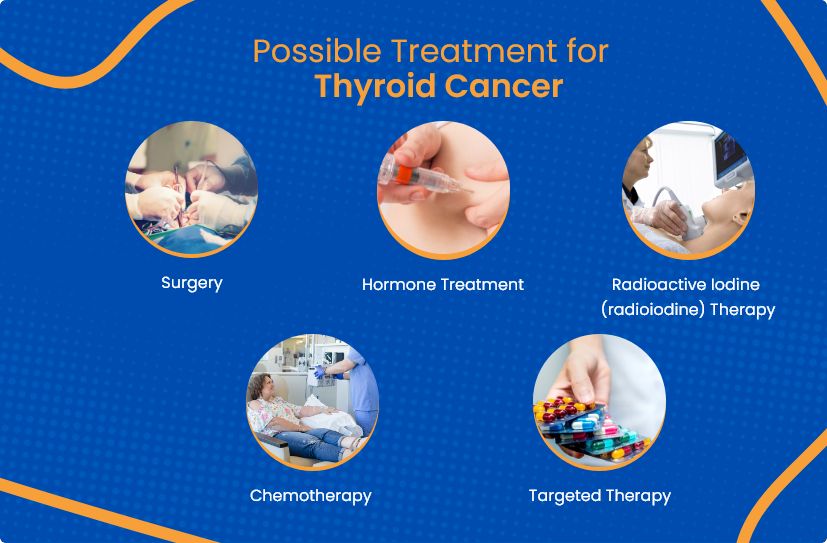
Radioactive iodine (RAI) is a powerful tool, but its usually an adjuvant meaning its added after surgery to mop up any remaining thyroid cells. In rare cases where a patient cant tolerate an operation (e.g., severe heart disease), RAI might be the primary therapy, though the cure rates are lower.
What role do hormone therapy and targeted drugs play?
After a total thyroidectomy, youll need lifelong levothyroxine to replace the hormones your thyroid used to make. For aggressive or metastatic disease, doctors may prescribe tyrosinekinase inhibitors (like sorafenib) to block cancercell growth. These medications are typically reserved for cases where the disease has spread beyond the neck.
Is active surveillance an option?
For tiny papillary microcarcinomas (1cm) that show no signs of growth, some guidelines, including those from the American Thyroid Association, recommend watchful waiting. Regular ultrasounds monitor the nodule, and surgery is only performed if it grows or changes.
Treatment by Stage
Stage1: Whats the standard care?
Stage1 thyroid cancers are usually small, localized tumors. The typical approach is a lobectomy (or total thyroidectomy for multifocal disease) followed by observation. Radioactive iodine may be added if the tumor has certain highrisk features.
Stage23: How does treatment intensify?
When cancer spreads to nearby lymph nodes (stage2) or beyond the thyroid capsule (stage3), surgeons often perform a total thyroidectomy with centralneck lymphnode dissection. Postoperative radioactive iodine becomes more common, and hormone suppression therapy is used to keep thyroidstimulating hormone (TSH) levels low.
Stage4 (metastatic): Signs that cancer has spread
Metastatic thyroid cancer can show up in the lungs, bones, or distant lymph nodes. Warning signs include persistent cough, unexplained bone pain, or new lumps in the neck that werent there before. In this setting, systemic therapies (targeted drugs, clinicaltrial agents) and sometimes palliative surgery are considered.
PostSurgery Outcomes
What is the typical survival rate?
Overall, the thyroid cancer surgery survival rate is excellent. Heres a snapshot from the latest UK and US data:
| Type | 5Year Survival | Typical Treatment |
|---|---|---|
| Papillary (early stage) | >98% | Surgery RAI |
| Follicular (early stage) | >95% | Surgery RAI |
| Medullary | 85% | Surgery + targeted therapy if needed |
| Anaplastic (advanced) | 10% | Multimodal: surgery, radiation, systemic therapy |
How urgent is surgery after diagnosis?
For most differentiated cancers (papillary, follicular), surgeons aim to operate within 46weeks of diagnosis. The urgency spikes for aggressive histologies like anaplastic thyroid cancer, where surgery may be needed within days to prevent rapid progression.
Common postop complications & management
Even when everything goes smoothly, a few hiccups are common:
- Hypocalcemia: Calcium levels are checked after surgery; supplements are given if needed, usually for a few days.
- Voice changes: Most are temporary. Gentle vocal exercises and, if needed, a short course with a speech therapist help.
- Scar care: Silicone gels or scarreduction creams can make the incision line less noticeable over months.
Choosing the Right Treatment for You
Checklist for your doctor visit
When you sit down with your endocrine surgeon, bring these talking points:
- Exact tumor size and location on the ultrasound.
- Pathology type (papillary, follicular, etc.).
- Your overall health, especially heart or lung conditions.
- Personal preferences regarding hormone replacement and scar visibility.
- Questions about the need for RAI, the timing of followup scans, and lifestyle impacts.
Getting a second opinion
Even if your first specialist seems confident, a second opinion can provide peace of mind. The American Thyroid Association encourages patients to seek confirmation, especially when the proposed plan includes major surgery or experimental drugs.
Support resources youll love
Living with thyroid cancer isnt just about the medical side. Connecting with others whove walked the same path can lift your spirits. Consider joining thyroidcancer support groups through the NHS, Cancer Research UK, or online communities. Many offer webinars on nutrition, postop recovery, and emotional coping.
Expert Insights & Credible Sources
Suggested expert voices
When you flesh out the full article, think about quoting:
- An endocrine surgeon (e.g., Dr.Emily Hart, MD) on surgical techniques.
- A thyroidcancer nurse specialist (e.g., SarahMiller, RN) about postop care.
- A survivor who can share a short, relatable story.
Data you can trust
Use these reputable sources for statistics and recommendations:
- American Cancer Society
- NHS (UK)
- Peerreviewed journal articles such as Diagnosis and Treatment of Patients with Thyroid Cancer (PMCID4415174).
Realworld case study outline
To humanize the data, you might illustrate a typical journey:
- 42yearold woman discovers a 1.2cm nodule on routine exam.
- Fineneedle aspiration shows papillary carcinoma.
- She undergoes a lobectomy; pathology confirms no spread.
- Postop, she receives a low dose of RAI and starts levothyroxine.
- At 12month followup, ultrasound shows no residual disease, and she feels back to normal.
Conclusion
In a nutshell, surgery is the backbone of thyroidcancer care, delivering a >95% fiveyear cure rate for most earlystage tumors. The type of operationtotal thyroidectomy or lobectomydepends on tumor size, spread, and your personal health picture. While the prospect of neck surgery can feel intimidating, the benefits outweigh the manageable risks for the majority of patients.
Understanding both the upside (high cure rates, clear staging) and the downside (temporary voice changes, calcium monitoring) empowers you to have honest, informed conversations with your care team. If youre facing a diagnosis, grab a trusted specialist, ask the right questions, and consider joining a support community. Youre not alone on this road, and with the right treatment plan, many people go on to live vibrant, healthy lives.








