Not medical advice — written by Ngoc Vietsmall, who is not a healthcare professional.
This article summarises publicly available medical information for general readers. It cannot account for your history, medication or symptoms, and it is not a diagnosis or a treatment plan. Any dose mentioned comes from published labelling or guidelines — only your own prescriber can decide what is right for you.
Always speak to a doctor or pharmacist before starting, stopping or changing any treatment. If symptoms are severe or getting worse, seek urgent care. Full disclaimer · How this is written
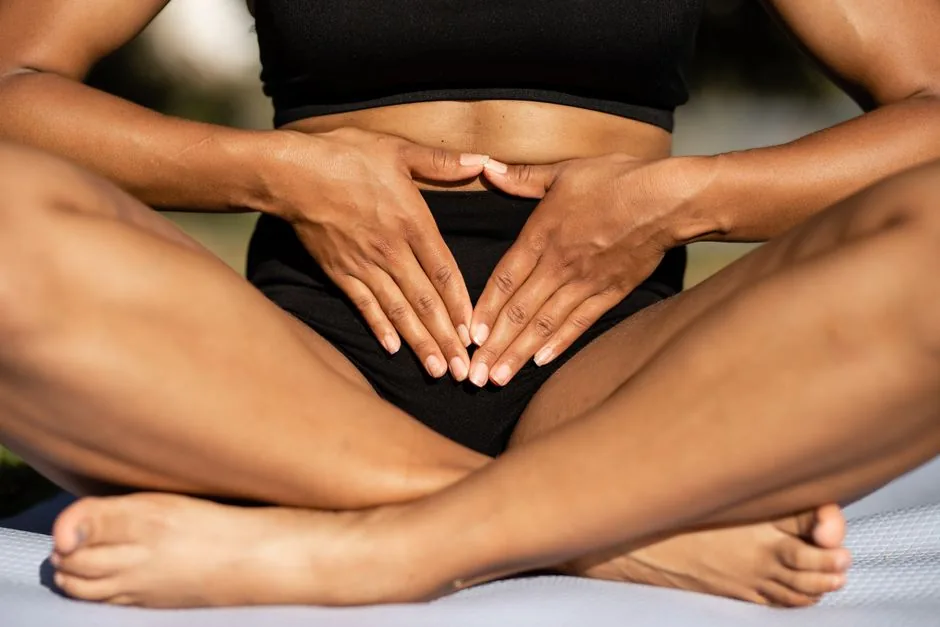
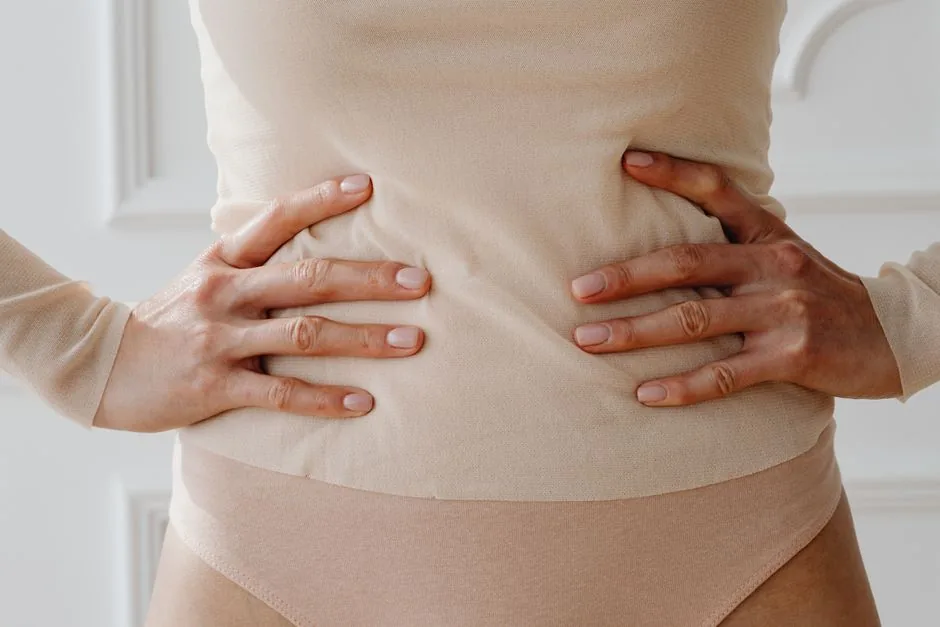
Lets cut to the chase: a weak pelvic floor can sneak up on you and lead to leaks, lowback ache, or a dip in confidence when intimacy is on the table. The good news? You can start fixing it today with a few minutes of simple, targeted moves. In this post youll get a clear, stepbystep plan (including quicktighten hacks, safety pointers, and a printable PDF) so you feel stronger, more in control, and ready to own your body.
Why It Matters
What the pelvic floor actually does
The pelvic floor is a hammock of muscles that cradles the bladder, uterus, bowel, and even supports your spine. When those muscles are strong, they keep everything sealed in place and help you cough, sneeze, or laugh without a surprise leak.
Top benefits of regular training
Doing pelvic floor exercises for women on a consistent basis can:
- Reduce urinary incontinence a study from the Mayo Clinic shows a 5070% drop in leak episodes after 8 weeks of training.
- Boost sexual pleasure many women report heightened sensation and stronger orgasms when the muscles are toned.
- Help prevent prolapse and aid postpartum recovery a strong floor supports the uterus and pelvic organs, especially after pregnancy.
Realworld example
Take Emma, a 32yearold mother of two. After her second Csection she started feeling occasional dribbles when she laughed. She followed a simple daily routine (the one youll learn below) and within six weeks she could run a marathonlength grocery run without a single leak. Her story reminds us that change is possible even when life feels hectic.
Getting Started
Pelvic floor exercises: step by step
Ready? Lets locate those hidden muscles first.
Step 1 Find the right muscles
Imagine youre trying to stop your urine midstream. The muscles you contract to do that are the pelvic floor. If youre unsure, try the stopandstart trick a few times while using the bathroom just dont make a habit of it, were only using it for identification.
Step 2 The basic squeezelift
- Lift and squeeze as if youre pulling a tiny string upward.
- Hold for a count of 2seconds, then relax fully.
- Thats one rep.
Step 3 Reps & sets
Start with 1015 squeezes, three times a day. As you get comfortable, work up to 2030 reps per session. Rest 5seconds between each rep think of it as giving the muscle a minibreath.
How to tighten pelvic floor muscles quickly
If youre in a hurry (maybe youre at the office and feel a sudden urge), the quick flick trick is your secret weapon. Its a rapid 2second squeeze, repeated 1015 times. Do it while seated at your desk, standing in line, or even while brushing your teeth. Consistency beats intensity, but a quick flick can give you an instant sense of control.
Safety checklist (Risks & red flags)
- Dont bear down or pull your belly in that engages the wrong muscles.
- If you feel sharp pain in your lower back or abdomen, stop and consult a professional.
- Women with severe prolapse, recent surgery, or chronic pelvic pain should see a pelvicfloor physiotherapist before starting.
Beyond the Basics
Kegel variations for women
Traditional Kegel exercises for women involve slower holds. Heres a quick rundown:
- Endurance hold: Squeeze, hold for 510seconds, release. Aim for 812 reps per session.
- Progressive hold: Start with a 2second hold and add one second each day until you reach 10seconds.
Pelvic floor exercises for prolapse
If youve been diagnosed with a mild prolapse, combine gentle diaphragmatic breathing with pelvic tilts. Breathe in, let your belly expand, then exhale while gently drawing your pelvic floor up. This coordinated move eases pressure on the pelvic organs while strengthening the support system.
Strengthbuilding moves beyond Kegels
Think of your pelvic floor like any other muscle it benefits from varied angles and supportive work. Add these three exercises to your routine:
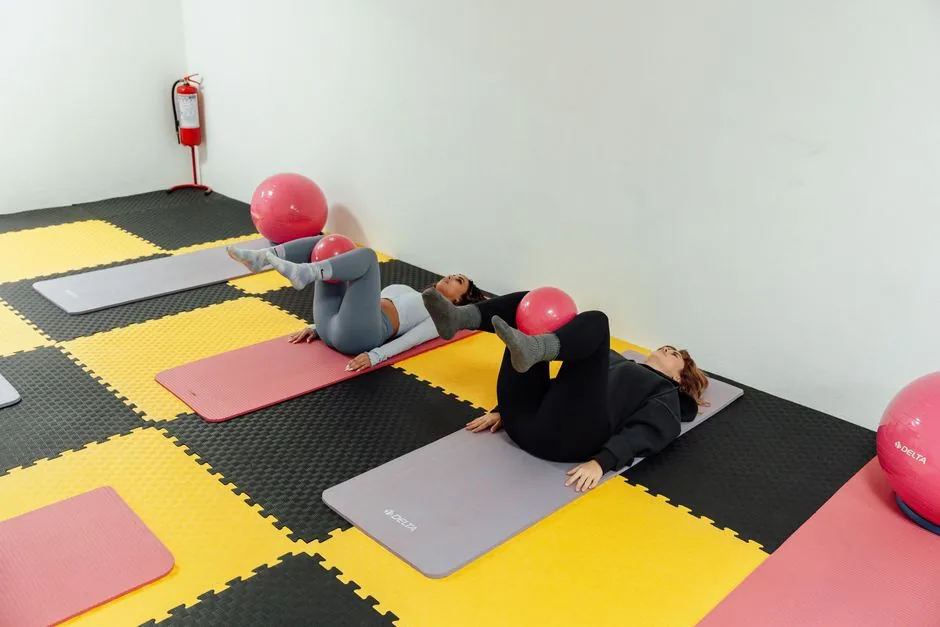
- Bridge pose: Lie on your back, knees bent, lift hips, and squeeze the floor as you rise.
- Squats: Keep your knees over your toes, engage the floor as you stand.
- Birddog: On handsandknees, extend opposite arm and leg while gently pulling in the pelvic floor.
Quick reference table
| Exercise | Position | Duration | Reps | Targeted benefit |
|---|---|---|---|---|
| Quick flick | Seated/lying | 2s squeeze | 1020 | Fast activation |
| Endurance hold | Supine | 510s hold | 812 | Stamina |
| Bridge pose | Supine | 5s lift | 10 | Glute + PF synergy |
| Squats | Standing | 3s downup | 15 | Core integration |
| Birddog | Handsknees | 3s hold each side | 12 | Crossbody stability |
Common Pitfalls
Mistake #1 Holding your breath
When you squeeze, keep breathing. Holding your breath spikes intraabdominal pressure and can stress the lower back.
Mistake #2 Tucking the tummy
Pulling your belly button toward your spine engages the transverse abdominis, not the pelvic floor. Stay relaxed in the midsection and focus on the upward lift.
Mistake #3 Overtraining
Just like any muscle, the pelvic floor needs recovery. If you feel a lingering soreness after a week of daily sessions, cut back to every other day for a few days.
Expert tip
According to a physiotherapist at the Royal Womens Hospital, Begin with short sets and gradually increase duration. Consistency and proper form trump volume.
Bonus Resources
Printable PDF cheatsheet
Grab a free pelvic floor exercises for women PDF that includes a daily log, progressive plan, and illustrated steps. Download it, print it, and stick it on your fridge as a visual reminder.
Video tutorials
Prefer to watch rather than read? Look for short clips that demonstrate quick flicks and endurance holds many physiotherapy clinics post clear, captioned videos.
Trusted external guides
For deeper dives, the Cleveland Clinic and the MedlinePlus offer evidencebased articles on pelvic floor health.
Conclusion
Strong pelvic floor muscles are a gamechanger for bladder control, sexual confidence, and postpartum recovery. Start simple: locate the muscles, practice quick flicks, then add endurance holds and supportive moves like bridges and squats. Keep safety frontandcenter, listen to your body, and seek professional advice if you hit pain or severe prolapse. Download the free printable, try the exercises for a few weeks, and notice how everyday activities become smoother and more confident.
Ready to take the first step? Click the download link, set a reminder on your phone, and lets strengthen that core together. If you have any questions or want to share your progress, feel free to reach out were all in this journey side by side.