Not medical advice — written by Ngoc Vietsmall, who is not a healthcare professional.
This article summarises publicly available medical information for general readers. It cannot account for your history, medication or symptoms, and it is not a diagnosis or a treatment plan. Any dose mentioned comes from published labelling or guidelines — only your own prescriber can decide what is right for you.
Always speak to a doctor or pharmacist before starting, stopping or changing any treatment. If symptoms are severe or getting worse, seek urgent care. Full disclaimer · How this is written
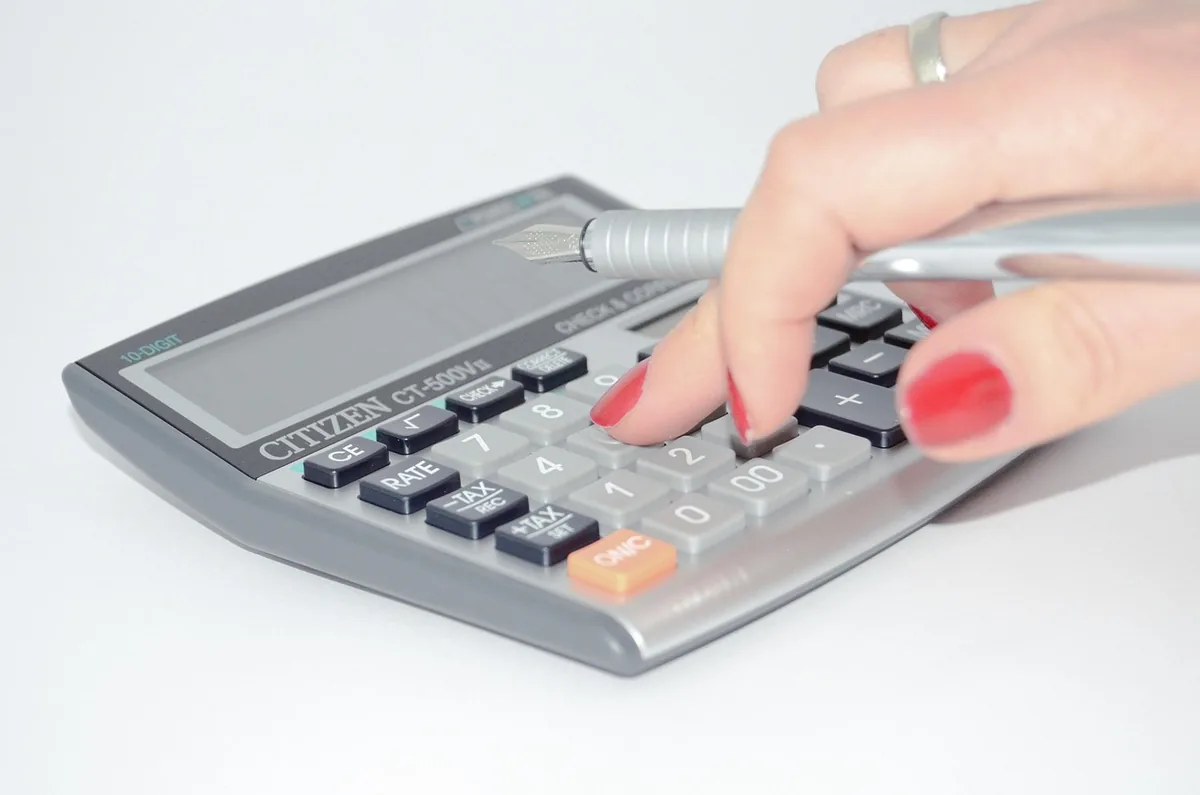
Looking for a quick way to know exactly how buzzed you are after a night out? An advanced BAC calculator gives you an estimate in just a few clicks—no lab work, no guesswork. By plugging in your drinks, weight, gender, and the time since your last sip, you will see a Blood‑Alcohol Concentration (BAC) number that can help you assess your current state. This is for informational purposes only and does not replace professional medical or legal advice.
Understanding that number is a useful safety tool. Knowing your estimated BAC can support responsible decision‑making, help you avoid legal trouble, and encourage healthier habits. Let's dive into how these calculators work, which ones are considered most accurate, and how to get the most useful information from them.
What Makes Advanced
How does an advanced BAC calculator differ from a basic one?
Most free calculators on the web ask for a single input—like how many drinks?—and spit out a rough estimate. An advanced BAC calculator goes deeper. It typically considers:
- Exact drink type and alcohol‑by‑volume (ABV) percentage
- Your body weight in kilograms or pounds
- Biological sex (because men and women metabolize alcohol differently)
- The exact time each drink was consumed
- Metabolism rate based on the Widmark formula and real‑time adjustments
These extra data points narrow the margin of error, giving you a number that may align more closely with what a breathalyzer would read, though it remains an estimate.
The science behind it
The backbone of every reliable calculator is the Widmark equation, a decades‑old formula that estimates BAC by balancing absorbed alcohol against body water content. Sex‑specific distribution ratios (0.68 for men, 0.55 for women) and a standard metabolism rate of approximately 0.015% per hour are commonly used in the calculation.
Which tools are rated the most accurate?
| Calculator | Key Features | Why It's Accurate |
|---|---|---|
| DrunkCalc | ABV entry, timestamp per drink, weight, gender | Uses real‑time Widmark updates and user‑verified data |
| Alcohol.org BAC Tool | Simple UI, reverse BAC mode | Crosschecked against NHTSA data sets |
| Calculator.net Advanced BAC | Weight in kg/lb, metabolism factor slider | Allows custom metabolism rates for medical conditions |
All three are free, but they differ in how granular the input options are. If you want a highly rated BAC calculator, choose one that lets you log each drink separately and adjust the metabolism factor.
How to Use
Required inputs
Before you start, the calculator typically asks for these five pieces of information:
- Number of drinks — broken down by type (beer, wine, spirits)
- ABV — typical values: 5% for light beer, 12% for wine, 40% for distilled spirits
- Body weight — in kilograms (or pounds)
- Sex — influences the distribution ratio
- Time elapsed — from first sip to the moment you calculate
Running the calculation
You may use a tool like DrunkCalc. Enter your data as it appears on the form, and the tool will compute an estimated BAC—usually within a second. If you are on the go, the same tool is available as a BAC calculator app for iOS and Android, letting you track drinks in real time.
Interpreting the result
General reference ranges for BAC effects are often described as follows (these are approximate and individual responses vary significantly):
- 0.02% – 0.03%: Slight euphoria, minor impairment.
- 0.04% – 0.06%: Noticeable motor skill decline; reaction time slows.
- 0.07% – 0.09%: The legal driving limit in many U.S. states is set at 0.08%; at this range, judgment is significantly reduced.
- 0.10% and above: Heavy intoxication; risk of accidents spikes dramatically.
Remember, tolerance varies by person. Use the number as an informational guide, not a definitive measure of your fitness to drive or perform tasks.
Planning a safe ride home with a timetozero BAC calculator
If your current estimated BAC is 0.07% and you want to know approximately how long it might take to reach a lower level, a time‑to‑zero BAC calculator can give an estimate. The formula generally subtracts a standard metabolism rate (about 0.015% per hour) from your current BAC until it hits the target level. Always follow local laws and use additional common‑sense checks before getting behind the wheel.
Related Calculators & Apps
Reverse BAC calculator
Ever wondered, "How many more drinks can I have and still stay under 0.05%?" A reverse BAC calculator works the problem backward. You input a desired BAC limit, your weight, and sex, and the tool estimates the maximum number of standard drinks you could still consume based on the assumptions built into its model.
BAC calculator by weight
Weight matters more than age when it comes to alcohol distribution. A heavier person generally has more body water, which dilutes alcohol, leading to a lower estimated BAC for the same amount of drinks. That is why most advanced calculators ask for your weight first.
Best BAC calculator apps
| App | Platform | Free/Paid | Key Feature |
|---|---|---|---|
| DrunkCalc | iOS & Android | Free | Realtime drink logging, reverse BAC mode |
| DrinkFox | iOS Only | Free + InApp Purchases | Customizable drink database, party timer |
| OriginalAbsinthe | Android Only | Free | Simple UI, quick BAC estimate |
All three apps respect your privacy; they do not sell data, and each provides a clear privacy policy.
When to use a BAC chart instead of a calculator
If you do not have internet access, a printed BAC chart can be a handy reference. It lists typical BAC ranges for various drink counts per body weight. It is less precise than an advanced BAC calculator, but it can serve as a rough backup.
Benefits & Risks
Benefits
- Instant feedback—you see an estimate within seconds.
- Safer decisions—the information can help you plan transport and avoid legal trouble.
- Educational value—understand how weight, gender, and time affect intoxication.
- Motivation—seeing a concrete number can encourage moderation.
Risks & limitations
Even the best calculators are still estimates. Factors they cannot fully account for include:
- Food intake (a big meal slows absorption).
- Medications or medical conditions that affect liver function.
- Individual metabolic variability—some people process alcohol faster or slower.
- Legal nuance—courts rarely accept calculator results as evidence.
Overreliance can give a false sense of security. Always pair the BAC number with common‑sense checks: can you walk a straight line? Do you feel dizzy? If you have doubts, play it safe and choose a rideshare or a designated driver. This information is not a substitute for professional medical or legal judgment.
Balancing act: threestep safety test
- Look — Check your coordination; can you touch your nose with your eyes closed?
- Feel — Assess your mental clarity. Are you thinking clearly?
- Think — Consider the consequences. Even a low BAC can impair judgment when combined with fatigue.
If any step raises a red flag, it is time to call it a night or hand over the keys.
How to Get Accurate Readings
Measure drinks accurately
Standard drinks differ by country, but a typical drink contains about 14g of pure alcohol—roughly 12oz of 5% beer, 5oz of 12% wine, or 1.5oz of 40% spirits. Using measuring glasses or the built‑in drink‑size selectors in your BAC calculator app can help avoid overestimation.
Log exact times
When you add a drink in the app, note the minute it entered your system. The calculator will subtract the metabolism that has already occurred, which may give a tighter estimate.
Update personal data
If you have recently lost or gained weight, or if you are using hormone therapy, adjust the weight field accordingly. Small changes can shift the BAC estimate by 0.01–0.02%.
Choose a tool with realtime metabolism
Tools like DrunkCalc automatically deduct approximately 0.015% per hour as time passes, so you can keep the screen open and watch the number drop. This dynamic view mimics what a breathalyzer might show after each minute, but it remains an estimate.
Pair numbers with selfassessment
Even the most sophisticated algorithm cannot capture how you feel. If the calculator says 0.04% but you are stumbling, trust your body. If you feel fine at 0.07%, remember that reaction time is still slower than when sober.
Conclusion
An advanced BAC calculator is a helpful tool for anyone who enjoys a drink and wants to stay informed. It offers fast, science‑based estimates that can help you decide when to stop, when to drive, or when to call a ride. However, it is only a tool—your own judgment, the company you keep, and the environment all play a role in responsible drinking.
Take a moment now: open a trusted free advanced BAC calculator, enter your last night's drinks, see the estimate, compare it with the general reference ranges, and decide the safest next step. If you found this guide helpful, consider downloading a reliable BAC calculator app and keep it handy for the next gathering. Always remember that this information is for educational purposes only and does not replace professional medical, legal, or safety advice. Here's to good times, good friends, and good decisions.